Home · Services · Water Removal After a Fire
Water Removal After a Fire in Lake Orion, MI
Quick answer
Extraction through floor systems built across eras, drying and freeze protection as one plan, well and septic included.
Suppression water in a lake home goes where the conversions let it: down through floor systems built across eras, into crawl and basement spaces of every description, toward the low side of lots that slope to the water. Extraction and drying start the same night where possible. Winter makes the drying plan and the freeze plan one plan, and the well and septic systems serving many lake properties get the same protection decisions as the house's plumbing.
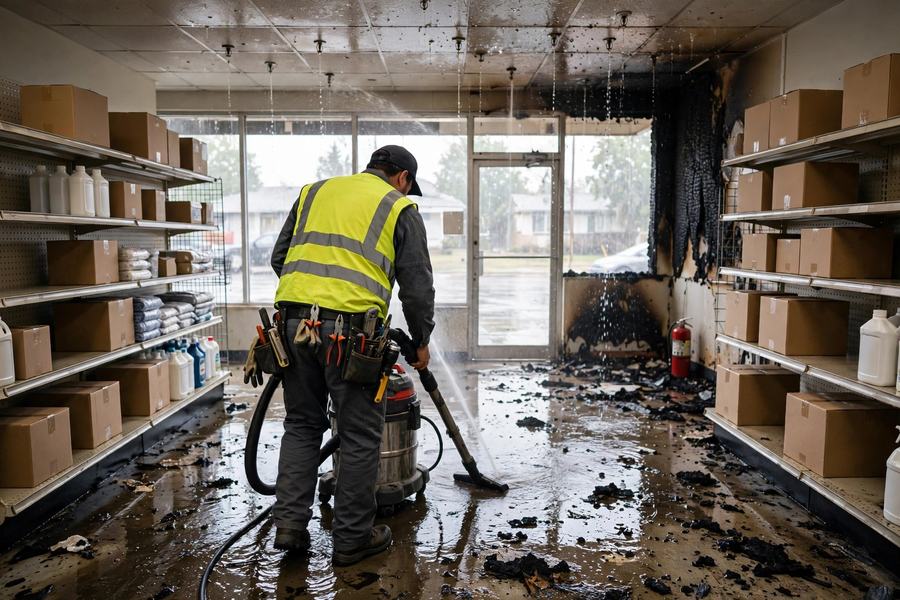
Signs you need water removal after a fire
- Standing water or soaked flooring in the rooms that burned and below them
- Water stains spreading on ceilings under the fire floor
- Wet insulation, drywall, and baseboards near the fire area
- A musty smell starting within a day or two of the fire
What the job involves
What affects the price
- How much water was used, which tracks with how long the fire burned
- How many levels the water reached, including the floor below the fire
- Materials involved: hardwood, laminate, and carpet over pad all dry differently
- Whether contaminated material must come out rather than dry
- Equipment days the moisture readings actually require
When it is an emergency
Firefighting water starts a mold clock of roughly 24 to 48 hours in warm conditions. The fire damage is the visible emergency, but the water sets the deadline: extraction and drying belong in the first scope of work, not a later phase.
PLACEHOLDERWater Removal After a Fire across the Lake Orion area
Related services
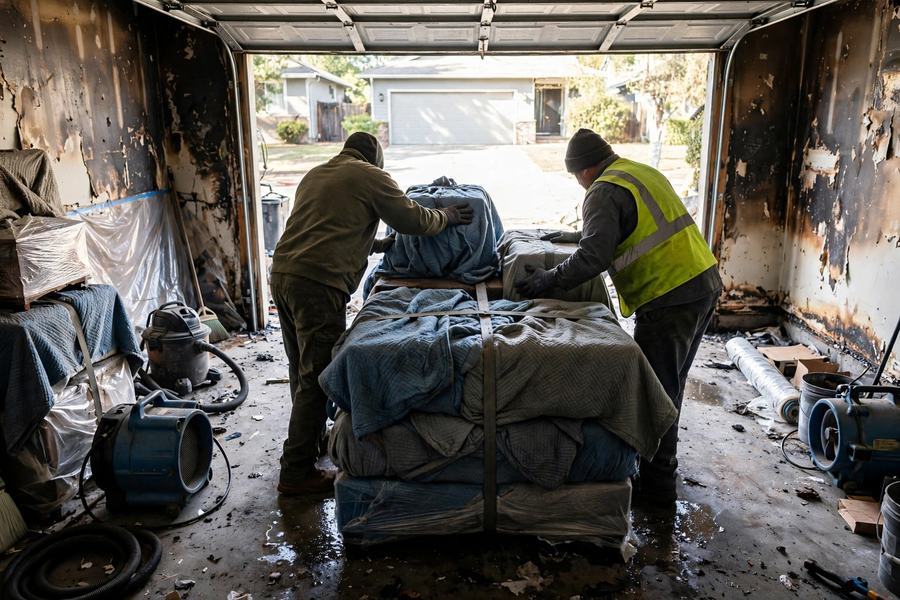
Fire Damage Restoration
Restoration that reads the conversion map first: cottage layers and subdivision stock scoped as the different houses they are.
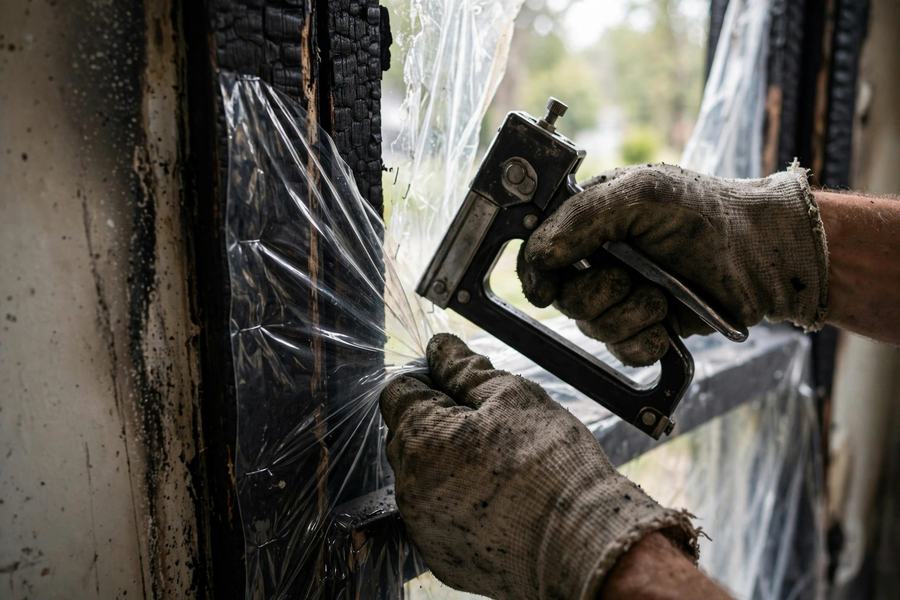
Emergency Board Up and Tarping
Same night securing against winter and the lake's sightlines, tarps anchored for snow load, wells and septic in the freeze decision.
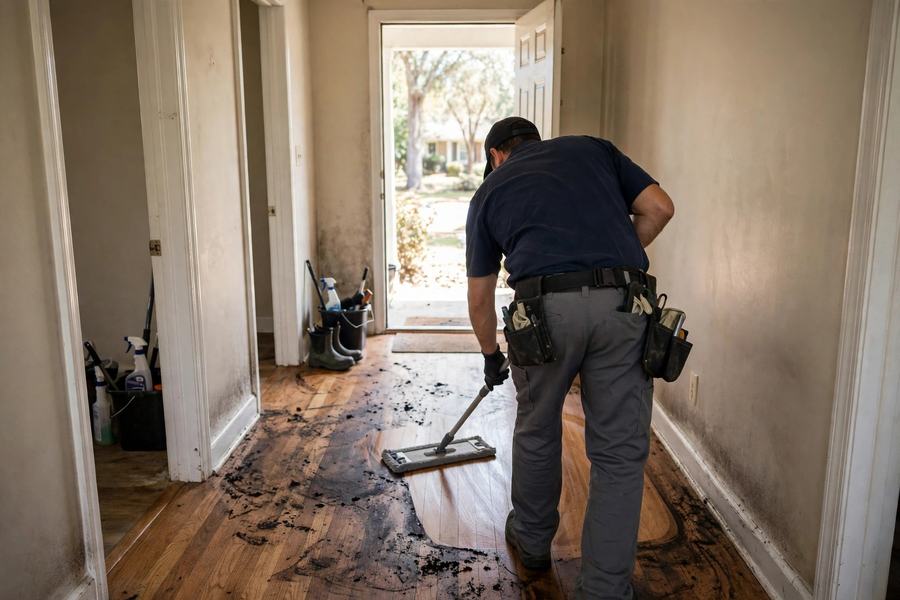
Smoke Damage Cleanup
Smoke cleaning by construction era, methods tested on the oldest finishes first, glass rooms treated as their own material problem.
Furnace Puff Back Cleanup
Whole house and duct cleaning after idle season burner misfires, closed by the burner service that prevents the January sequel.
Water Removal After a Fire questions, answered
When is water removal after a fire an emergency?
Firefighting water starts a mold clock of roughly 24 to 48 hours in warm conditions. The fire damage is the visible emergency, but the water sets the deadline: extraction and drying belong in the first scope of work, not a later phase.
What affects the price of water removal after a fire in Lake Orion?
The main price factors for water removal after a fire are covered in the cost section above. The contractor confirms the exact price in a written estimate after seeing the job, and nothing is owed until you approve it. The call and the referral are free.
Why does the cottage's conversion history change a smoke cleanup?
Because smoke travels the house that exists, not the house on the assessor's card. A cottage built for summers and converted across decades holds balloon framing that acts as a chimney for smoke, enclosed porches that became rooms, insulation added in layers, and ducts fitted into spaces never meant for them. Smoke uses all of it, reaching rooms by paths a purpose built home does not offer. The era map, which construction layer each room belongs to, is therefore a cleanup document: it predicts where residue hides and tells the crew which cavities to open and which to leave sealed.
Our fire started at the wood stove. Does that change anything with insurance?
It changes the documentation, not the peril: fire is covered, and a stove or chimney origin is read through the file the cleanup and the investigators build. What matters is honesty and paper: the stove and chimney's service history if you have it, the incident record, and no disturbance of the origin area until the insurer's investigator has seen it. Wood heat is ordinary in Lake Orion homes, declared on ordinary policies, and a maintained stove with records is a straightforward file. The expensive version is a scene cleaned before it was read.
Does homeowners insurance cover fire damage restoration in Lake Orion?
Fire is a named peril in standard homeowners policies, so fire damage is generally covered, including smoke damage to rooms the flames never reached and the water damage from putting the fire out. The disputes are almost never about whether fire is covered; they are about scope and price. Keep the contractor's itemized written scope, the moisture and cleanup documentation, and photos, because those are what an adjuster reviews. Your deductible applies, and loss of use coverage, if you carry it, can pay for temporary housing while the home is uninhabitable.
Request a callback
Prefer to talk later? Leave your details and an independent local pro will call you back. No charge to you, no obligation.
Paint Creek Fire Restoration is a free referral service. Submitting this form connects you with independent local contractors who provide the work.